Rendered Wall Maintenance for Coastal Homes: A Sutherland Shire Guide
Render holds up beautifully in Sydney's coastal suburbs, but it isn't a "set and forget" finish. Salt air, wind-driven rain and constant UV exposure work harder on exterior walls near the water than they do further inland, and that means homes in Cronulla and Sylvania need a slightly different maintenance approach to keep their render looking sharp and performing well. Here's what that actually involves.
Why Coastal Conditions Are Harder on Render
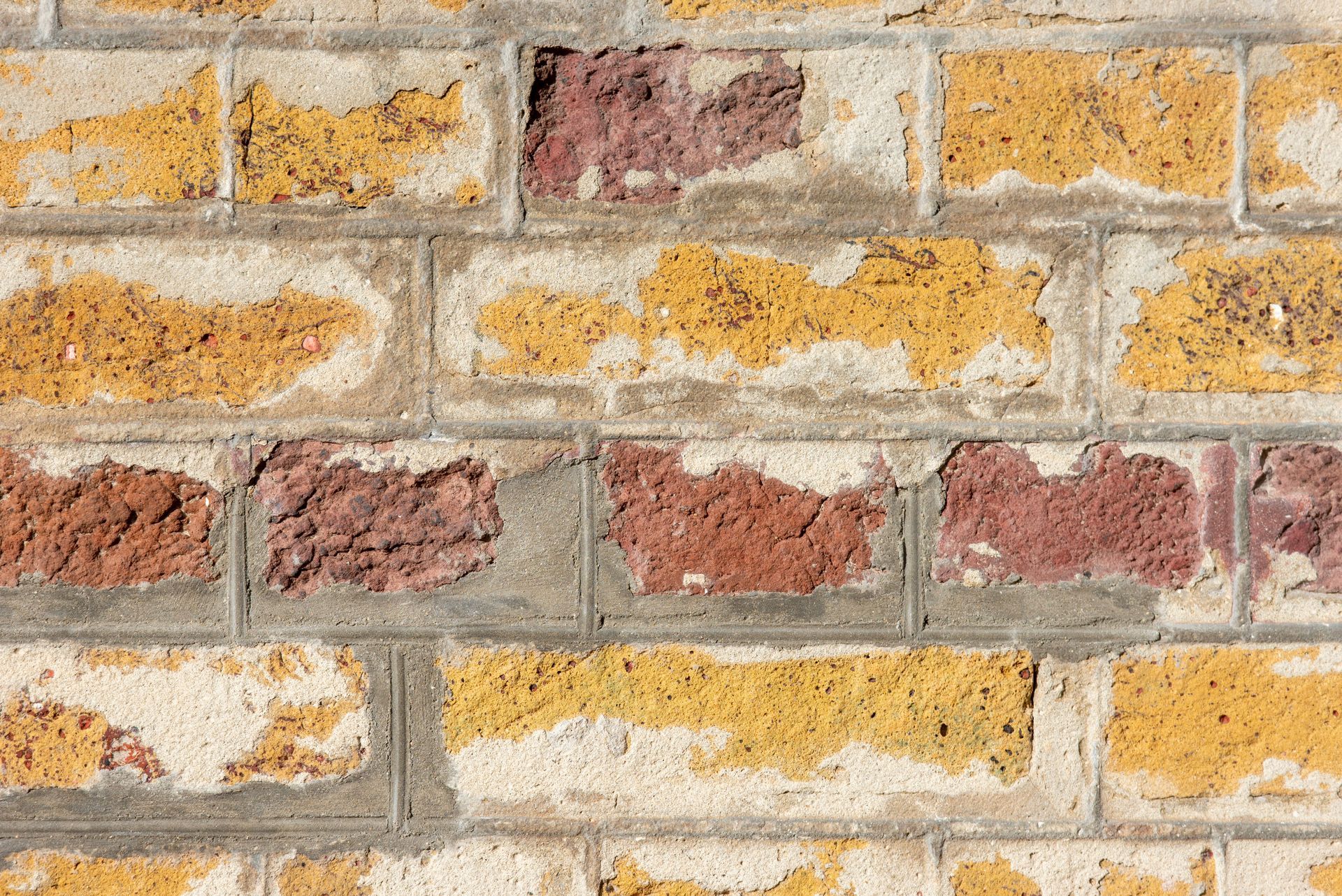
Salt in the air doesn't just sit on the surface, it works its way into tiny pores and hairline cracks, where it crystallises and expands. Over time, that process (known as salt attack) can cause render to blister, bubble or flake away from the wall behind it. Add in the higher humidity and stronger UV exposure common along the coast, and homes in exposed pockets of Cronulla and Sylvania tend to show wear a few years earlier than a comparable home in Menai or Engadine, further from the water. That's not a reason to avoid rendering near the coast, it's just a reason to maintain it properly.
Rinse Salt Build-Up Regularly
The single most effective thing you can do is rinse your render down with fresh water every few months, more often if your home is directly exposed to sea breezes. A garden hose on a fan setting is usually enough, there's no need for a pressure washer, which can actually damage the surface if held too close or used at high pressure. This simple habit clears salt residue before it has a chance to crystallise and cause damage, and it's the coastal equivalent of washing salt off a car after a drive along the beach.
Keep an Eye Out for Early Warning Signs
Catching problems early is far cheaper than fixing them later. Walk around your home every season and look for hairline cracking, small bubbles or blisters in the surface, and any patches where the render sounds hollow when you tap it. These are early signs of salt attack or moisture getting behind the render, and they're much easier to patch and repair while they're small. Left unaddressed, small areas of damage tend to spread, particularly through winter storm season when driving rain forces moisture into any existing gaps.
Recoat and Reseal on a Sensible Cycle
Even a high-quality render system benefits from a protective topcoat or sealer being reapplied periodically, generally every seven to ten years for coastal homes, compared with closer to ten to fifteen years further inland. This isn't a full re-render, it's a maintenance recoat that restores the water-resistant barrier on the surface before it starts to break down. If you're due for a refresh, it's also a good time to check out current trending render colours if you're considering a change while the tradesperson is already on site.
Choose the Right Render System From the Start
A lot of maintenance headaches trace back to the wrong render system being used for a coastal exposure in the first place. Flexible, breathable acrylic renders generally perform better than rigid cement-based systems in salt-heavy environments, since they can move slightly with the building without cracking. If you're planning a new render job on a home near the water, it's worth discussing the right system upfront rather than retrofitting a fix later. Our rendering services page covers the different finishes available and which tend to suit coastal versus inland properties.
When to Call in a Professional
Regular rinsing and visual checks will catch most issues, but some jobs are best left to a professional. Bubbling render, visible cracking that's spreading, or patches that sound hollow usually mean moisture has already gotten behind the surface, and DIY patching in these cases can trap the problem rather than solve it. A proper repair involves cutting back the affected area, addressing the underlying cause, and reapplying render that's matched to the existing finish. If you're noticing any of these signs on a home in Cronulla, Sylvania or anywhere else across the Shire, it's worth getting it looked at before the next round of storms.
Frequently Asked Questions
How often should I rinse salt off rendered walls?
For homes directly exposed to sea breezes in areas like Cronulla and Sylvania, rinsing every two to three months is a good baseline, more often after storms or extended dry, windy spells that carry salt further inland.
Can I pressure wash rendered walls to remove salt build-up?
It's best avoided, or used only on a very low setting from a distance. High-pressure water can force its way into hairline cracks and strip the protective topcoat, doing more harm than the salt build-up itself. A garden hose on a fan spray setting is usually sufficient.
How do I know if my render has salt damage?
Look for small bubbles or blisters on the surface, hairline cracking, powdery white residue (efflorescence), or patches that sound hollow when tapped. Any of these are worth having assessed before they spread.
Does render need to be resealed more often near the water?
Yes. Coastal homes generally benefit from a protective recoat every seven to ten years, compared with ten to fifteen years for homes further inland, due to the extra wear from salt air, humidity and UV exposure.
You might also like