Colour Fading in Render: Why It Happens and How to Prevent It
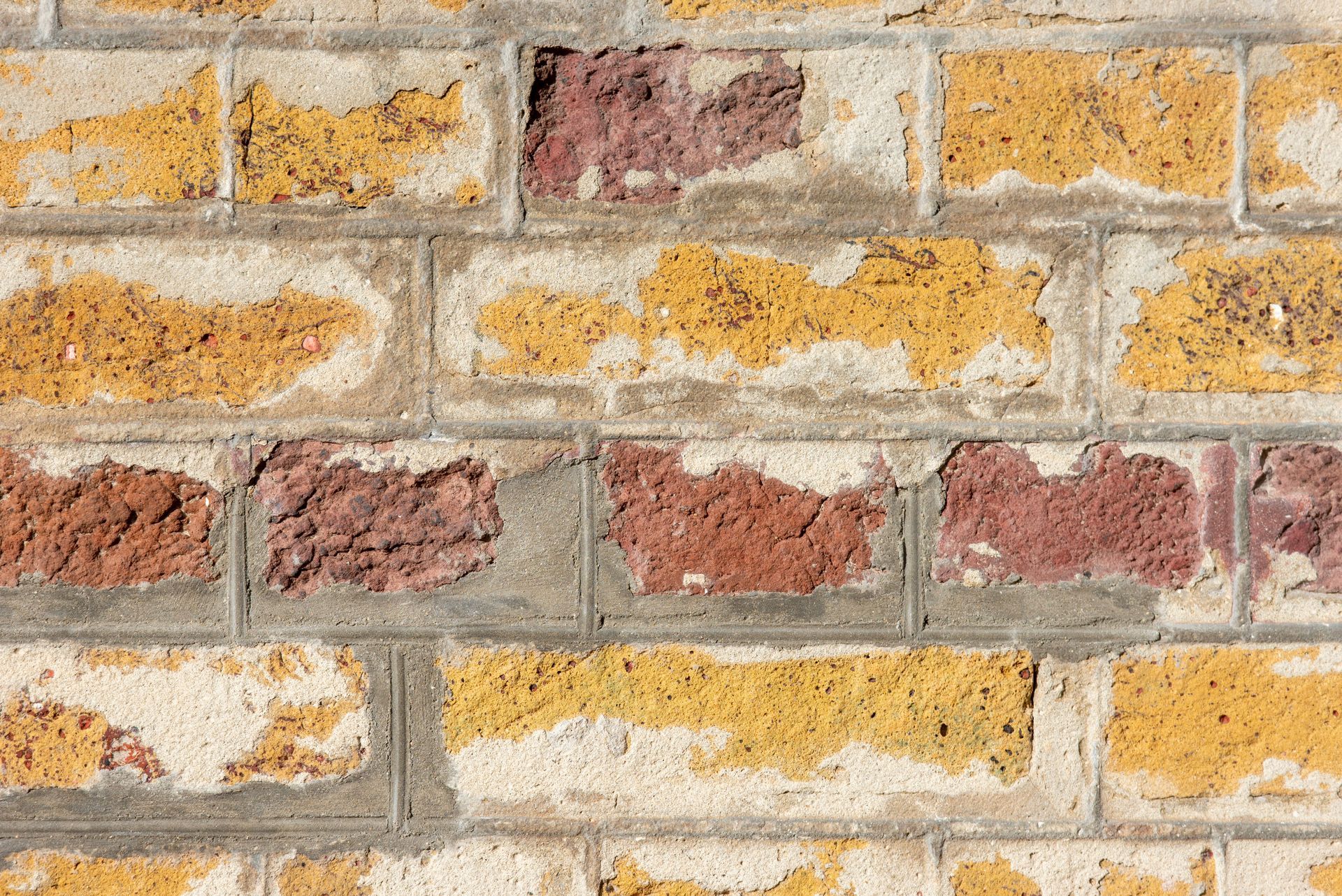
Walk down any street in Cronulla, Sylvania, or Miranda, and you'll spot it: a rendered home where the front wall, still catching full sun every afternoon, has visibly faded compared to the side return that sits in shade. It's one of the most common complaints we hear from homeowners a few years after a render job, and it's rarely a sign of a failed render. It's chemistry, weather, and pigment quality doing exactly what they do over time unless you know what to ask for before the job even starts.
Why Rendered Walls Lose Their Colour
Render colour comes from pigments mixed into the finish coat or applied as a topcoat afterwards, and every pigment has a lifespan. UV exposure is the biggest factor; Sydney's long, high-UV summers break down pigment molecules over time, which is why north- and west-facing walls almost always fade faster than south-facing ones. Darker colours absorb more UV energy and heat, so a charcoal or deep navy render will typically show fading sooner than a pale grey or off-white.
Coastal exposure adds a second layer to this. Homes in Cronulla, Sylvania, and other salt-air suburbs deal with fine salt particles settling on rendered surfaces, which can react with pigments and accelerate breakdown alongside the sun damage. We covered the broader maintenance side of this in our guide to rendered wall maintenance for coastal homes; this article focuses specifically on the colour side of that equation.
Pigment Quality and Render Type Make a Real Difference
Not all colour is applied the same way, and that changes how it ages. Acrylic renders use pre-mixed, factory-controlled pigments and typically hold colour longer than site-mixed options because the pigment load and dispersion are consistent from batch to batch. Cement render finished with a painted topcoat depends heavily on the paint quality used; a budget exterior paint will chalk and fade noticeably faster than a premium UV-stable formulation. Textured render finishes can actually mask early fading better than flat finishes, since the surface variation breaks up how evenly light reflects off the wall.
This is also why it pays to think about colour longevity at the same time you're weighing up finish and cost. If you're still comparing options, our breakdown of rendering costs in Sydney is a useful starting point, since upgrading to a more UV-stable pigment system is often a modest add-on rather than a major cost jump.
How to Prevent Premature Fading
The good news is that fading is largely preventable with the right choices up front and a bit of upkeep afterwards:
- Choose lighter or mid-tone colours for north- and west-facing walls, especially in full-sun suburbs like Engadine and Menai.
- Ask for a UV-stable topcoat or sealer, particularly on darker colours or exposed elevations.
- Rinse render surfaces with fresh water every few months in coastal areas to remove salt build-up before it interacts with the pigment.
- Reapply a protective sealer every 5–7 years as part of routine maintenance, rather than waiting until fading is obvious.
If you're noticing patchy fading, chalky residue on your hands after touching the wall, or colour that looks uneven rather than uniformly lighter, it's worth getting it looked at; those can sometimes be early signs of a broader issue rather than simple sun fading. We go through the difference in Signs Your Render Job Was Done Wrong.
Choosing a Fade-Resistant Colour From the Start
If you're rendering a new wall or planning a refresh, colour choice is your single biggest lever against future fading. We've seen a real shift in what Sutherland Shire homeowners are asking for lately; you can see the current favourites in our roundup of trending render colours for 2026. Many of the most popular tones right now are warm, muted neutrals, which happen to also be some of the more fade-resistant options available.
Fading is one of the few render issues that's almost entirely preventable with the right upfront decisions. If you'd like advice on a colour and finish that will hold up to your home's specific sun exposure, get in touch with our team for a free quote, and we'll talk you through the options that suit your street and your budget.
Frequently Asked Questions
How long does render colour usually last before it starts to fade?
Most quality renders hold their original colour well for 8–12 years before fading becomes noticeable, though full-sun walls and darker colours can show change sooner, sometimes within 5–6 years.
Can a faded render be fixed without a full re-render?
In many cases, yes. A fresh coat of UV-stable exterior paint or a specialised render sealer can restore colour and add years of protection, without needing to strip back or redo the underlying render as long as the render itself is still sound.
Does a lighter render colour really fade less than a darker one?
Generally yes. Darker pigments absorb more UV radiation and heat, which accelerates the chemical breakdown that causes fading. Lighter and mid-tone colours tend to hold their appearance longer, particularly on sun-exposed elevations.
Is colour fading covered under a rendering warranty?
It depends on the product and the installer, so it's worth checking before work begins. Some premium acrylic render systems include a colour warranty, while cement render finished with standard paint typically isn't covered for fading, since it's considered normal weathering rather than a workmanship defect.
You might also like